
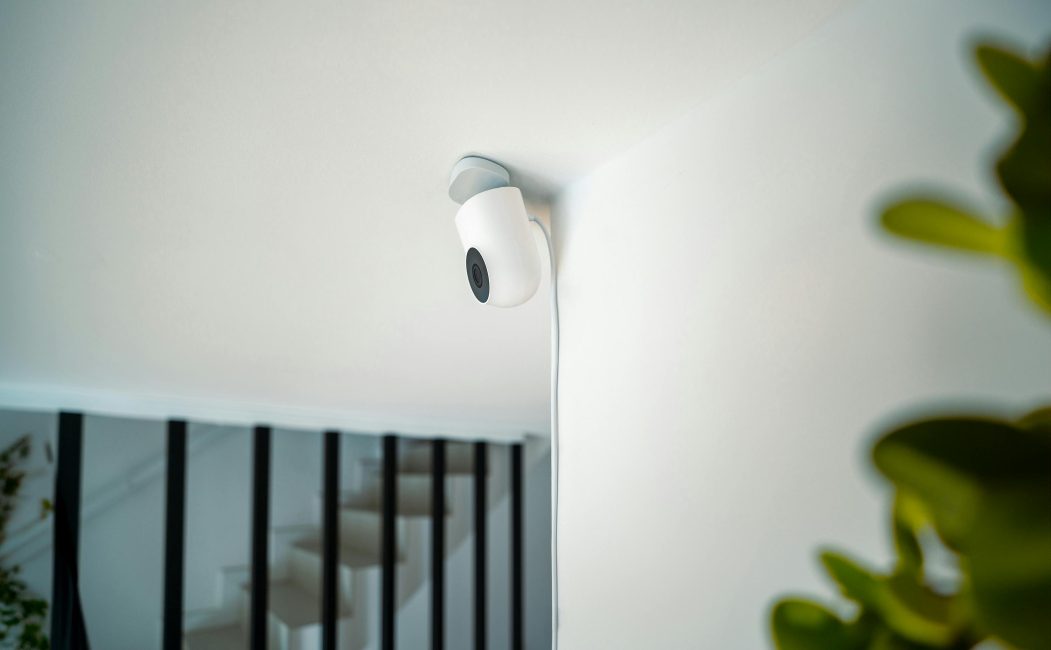
Keeping your home and business secure requires more than a few cameras and a monitor. Threats are faster, smarter, and more unpredictable than ever. Traditional CCTV systems, while still valuable, rely heavily on human monitoring and delayed reactions. Smart CCTV powered by AI and video analytics changes that approach. CCTV threat detection transforms passive surveillance into a proactive layer of defence, identifying unusual behaviour and potential risks before they escalate into incidents.
What Is Smart CCTV?
Smart CCTV refers to a new generation of surveillance systems that use artificial intelligence (AI) and video analytics to interpret what cameras see in real time. Unlike traditional CCTV, which simply records footage, smart systems actively analyse movement, behaviour, and patterns to identify potential security risks automatically.
By leveraging advanced software and algorithms, smart CCTV supports CCTV threat detection through object classification, facial recognition, and behavioural analysis. Activities such as loitering, perimeter breaches, or unattended packages can be flagged instantly, rather than discovered after the fact.
Key intelligent features include:
- Object detection: Identifies people, vehicles, or items entering restricted zones.
- Facial recognition: Matches faces to access lists or detects unauthorised individuals.
- Behavioural analysis: Monitors movement patterns to predict suspicious behaviour before it occurs.
The result is an intelligent surveillance system that goes beyond observation to provide meaningful insights and faster response times. Smart CCTV installation doesn’t replace human vigilance; it improves it, making your security team more effective and your premises safer.
The Shift From Reactive Surveillance to CCTV Threat Detection
Traditional CCTV systems depend on operators to spot and respond to incidents, often reviewing footage only after an event has already occurred. This reactive model limits effectiveness and leaves room for missed threats and slow response times.
Modern CCTV threat detection changes this dynamic. Smart systems analyse footage in real time and trigger alerts the moment suspicious behaviour is detected. Whether it’s trespassing, loitering, unauthorised access, or a perimeter breach, the system responds instantly rather than waiting for manual review.
Real-time alerts allow security teams or business owners to intervene quickly, reducing damage and improving safety. This shift turns CCTV into an active security tool, particularly valuable for commercial properties, warehouses, schools, and construction sites.
How AI-Powered Video Analytics Enable CCTV Threat Detection
At the core of every intelligent CCTV system is AI-powered video analytics. These technologies allow cameras to recognise patterns, detect anomalies, and learn from data over time, improving the accuracy of CCTV threat detection.
Key components include:
- Motion and anomaly detection: Identifies unusual movement patterns or activity that deviates from the norm.
- Facial recognition and people tracking: Matches faces against a database and follows individual movement across multiple cameras.
- Licence plate recognition (ANPR/LPR): Captures and logs vehicle registrations for access control or evidence gathering.
- Object classification and behaviour prediction: Distinguishes between people, vehicles, and objects, and assesses whether their behaviour is normal or suspicious.
These features are powered by machine learning and neural networks, which enable the system to improve its accuracy over time. This means fewer false alarms and sharper, more reliable alerts. The result is a CCTV system with facial recognition and other intelligent tools that offer true situational awareness and faster, more informed decision-making.
Benefits of Smart CCTV and CCTV Threat Detection for Businesses
Business security system installations provide far more than just surveillance. They deliver actionable insights, operational efficiencies, and a measurable return on investment.
Key advantages include:
- 24/7 automated threat detection, with alerts triggered in real time
- Reduced reliance on manual monitoring, freeing up security teams
- Faster incident response times, improving outcomes and minimising loss
- Improved data for audits and investigations, with recorded footage intelligently categorised
- Insurance and compliance advantages, as systems installed by NSI Gold-approved providers like Third Eye meet insurer requirements and legal standards
Whether you’re managing stock in a warehouse or safeguarding a retail site, intelligent security systems give you greater control and peace of mind.
Why CCTV Threat Detection Is the Future of Surveillance
As security threats continue to evolve, surveillance systems must adapt to stay ahead. CCTV threat detection powered by AI and video analytics is already reducing false positives, speeding up response times, and reshaping how businesses manage risk.
In the years ahead, smart CCTV with advanced threat detection will become the standard across commercial properties. Its ability to deliver real-time insights, automate alerts, and integrate with wider security systems makes it a smart, future-proof investment.
If you’re looking to upgrade your CCTV system or explore the benefits of intelligent surveillance, contact Third Eye Installation Systems. We offer free site surveys, expert guidance, and professionally installed CCTV threat detection solutions tailored to your needs.
FAQs
1. What makes smart CCTV different from traditional CCTV?
Traditional CCTV records footage and relies on someone watching a screen or reviewing video after an incident. Smart CCTV uses AI and video analytics to interpret what the camera sees in real time. It detects unusual behaviour, identifies risks, and sends alerts instantly, turning surveillance from a reactive tool into a proactive security solution.
2. Can smart CCTV really detect threats before they happen?
Yes. Smart CCTV systems analyse behaviour patterns to spot early signs of suspicious activity such as loitering, perimeter breaches, or unusual movement. By recognising anomalies, they can trigger alerts before a situation escalates, giving security teams more time to respond.
3. How accurate is AI-powered video analytics?
Modern video analytics use machine learning to improve accuracy over time. They learn from real footage, which reduces false alarms and makes detection more reliable. These systems can classify people, vehicles and objects, recognise faces, and track behaviour with a level of precision far beyond human monitoring alone.
4. Does smart CCTV integrate with other security systems?
Yes. Smart CCTV integrates easily with intruder alarms, access control systems, intercoms and monitoring platforms. For example, if a camera detects a perimeter breach, it can trigger an alarm, notify security staff, and highlight the relevant footage automatically. This connected setup creates a more efficient and effective security environment.
5. Is smart CCTV suitable for small businesses and homes, or only large sites?
Smart CCTV works for properties of all sizes. Small shops, offices and homes benefit from real-time alerts and reduced manual monitoring. Larger sites such as warehouses, schools and construction areas use smart systems to manage wider perimeters and complex risk profiles. The technology scales easily, making it a strong choice for any organisation looking to improve its security.