
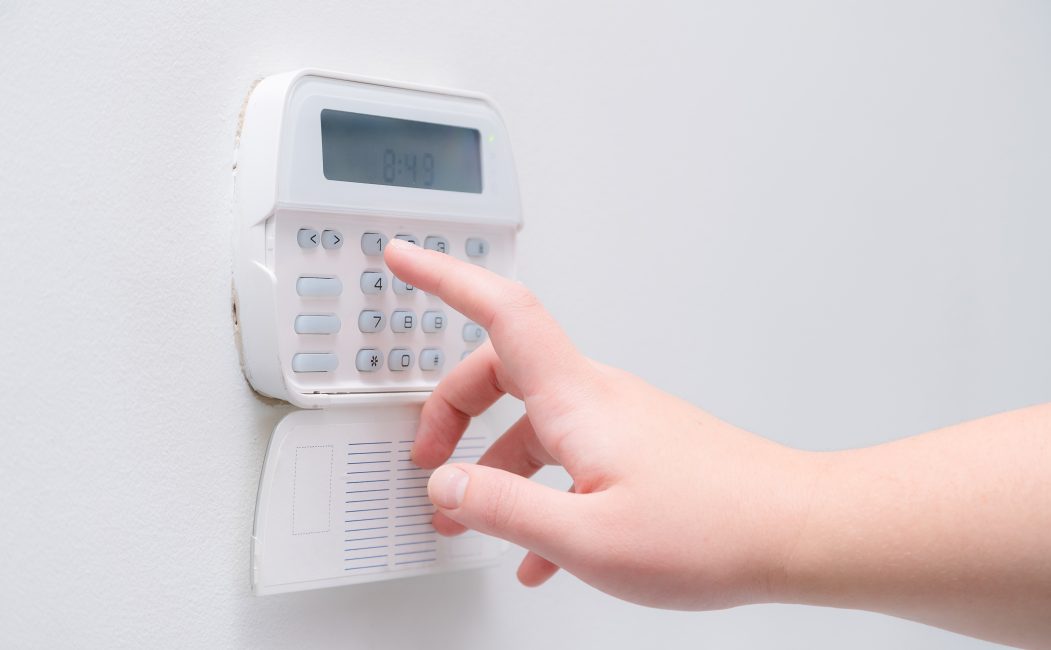
Understanding the different grades of alarm systems helps homeowners and businesses choose the right level of protection for their property. Alarm system grades indicate how secure a system is, how it performs under attack, and how reliable its detection technology will be in real-world conditions. These grades provide a clear framework for comparing systems and selecting suitable security based on risk. Insurers and professional installers rely on the different grades of alarm systems to ensure appropriate protection is in place.
Understanding Alarm System Grades (EN 50131 Standard)
The different grades of alarm systems are defined by the EN 50131 European security standard. This standard assesses how well an alarm can withstand tampering, how accurately it detects an intrusion, and how it performs in different environments. It also looks at how quickly the system responds. These guidelines are set by European security bodies to ensure that alarm system installations offer consistent and reliable protection across homes and businesses.
1. Grade 1 Alarms: Low-Security Systems
Grade 1 alarms are designed for very low-risk environments. Among the different grades of alarm systems, Grade 1 offers the most basic level of detection and can be disabled using simple tools. Tamper protection is minimal, and the components are not built for high-risk situations. For these reasons, insurers and professional installers do not recommend Grade 1. They provide little resistance to forced entry and do not meet the security needs of most home security installations.
2. Grade 2 Alarms: Standard Protection for Homes and Small Businesses
Grade 2 alarms are the standard choice for family homes, small shops, and small offices. They include better-quality sensors, stronger detection, and improved tamper protection. These systems can identify attempts to interfere with the alarm and trigger an alert. We install Grade 2 systems as our minimum standard because they offer the level of protection most households need and are accepted by many insurers. They strike the right balance between cost, reliability, and security.
3. Grade 3 Alarms: High-Security Systems for Larger Properties
Grade 3 alarms are designed for larger homes, commercial buildings, and sites with multiple access points. They use higher-grade sensors and have strong anti-tamper measures that instantly trigger an activation if someone tries to interfere with the equipment. These systems withstand more advanced break-in attempts and are often paired with monitoring services. Many commercial clients choose Grade 3 because it matches the security risks of busier or higher-value premises.
4. Grade 4 Alarms: Maximum Protection for High-Risk Sites
Grade 4 alarms offer the highest level of protection and are used in high-risk environments such as banks, warehouses, and industrial facilities. Within the different grades of alarm systems, Grade 4 features the strongest tamper resistance, the most reliable detection technology, and advanced components for complex sites. Insurers often require this level of security when valuable assets or sensitive operations are involved.
How to Choose the Right Grade for Your Property
Choosing the right system from the different grades of alarm systems depends on your risk level, property size, layout, number of entry points, and the value of what you want to protect. Insurance requirements are also a key factor, particularly for businesses. If you already have an alarm installed, upgrading to a higher grade may significantly improve security. A professional survey will help determine whether Grade 2, Grade 3, or Grade 4 is most appropriate.
Why Work With NSI Gold Installers Like Third Eye Installation Systems
Correct installation is essential regardless of the alarm grade you choose. As an NSI Gold approved installer, we follow strict standards that ensure your system is compliant, reliable, and suitable for insurance approval. Our engineers are fully trained, carry out full testing, and provide ongoing support. Working with us means your alarm system is installed properly, maintained correctly, and set up to deliver long-term protection.
Understanding the different grades of alarm systems allows you to make informed decisions about protecting your home or business. Whether you need standard domestic security or high-level protection for a commercial site, choosing the correct grade ensures your alarm meets both risk and insurance requirements.
If you want to know which alarm grade is right for your home or business, we can help. Book a free security survey and let our experienced engineers assess your property and recommend the right solution.
FAQs
1. What is an alarm system grade?
Alarm system grades classify how much protection an alarm can provide. The grade reflects the system’s resilience to tampering, how accurately it detects intrusions, and how reliable it is in different conditions. These grades help you compare systems and choose the right level of security for your home or business.
2. Which alarm grade is best for a typical home?
Most homes are best served by a Grade 2 alarm. It offers strong detection, good tamper protection, and reliable performance without the higher cost associated with Grade 3 or Grade 4. Grade 2 is also widely accepted by insurers, which makes it the standard choice for most households.
3. How do Grade 3 and Grade 4 alarms differ from Grade 2?
Grade 3 and Grade 4 alarms are designed for higher-risk environments. Grade 3 systems use stronger sensors and advanced anti-tamper features suitable for larger homes and commercial buildings. Grade 4 offers the highest level of protection and is used for high-risk sites such as banks or industrial facilities. These systems withstand more sophisticated break-in attempts and often require professional monitoring.
4. Do insurers require a specific alarm grade?
Some insurers specify a minimum alarm grade, particularly for businesses or properties with higher-value assets. Grade 2 is often acceptable for standard homes, while commercial sites may need Grade 3 or Grade 4. A survey from an accredited installer helps ensure your system meets any insurance conditions.
5. How do I know which alarm grade I need?
The right grade depends on your risk level, the size and layout of your property, the value of what you are protecting, and any insurance requirements. A professional assessment will identify whether Grade 2, Grade 3, or Grade 4 offers the right balance of security and cost for your situation.